Horns, a red suit, a pitchfork, and a terrifying face this is the familiar image of Lucifer in popular culture. But how much of this depiction actually comes from Scripture? Understanding the biblically accurate Lucifer requires separating biblical passages from later Christian tradition, medieval artwork, and literary interpretations.
Isaiah 14:12 refers to “Helel ben Shachar,” traditionally translated as “Lucifer” in the Latin Vulgate, while other passages discuss Satan, spiritual rebellion, and fallen angels. This guide explores the biblical identity, appearance, story, symbolism, and fall of Lucifer, while examining common myths and explaining how tradition shaped the image many people recognize today.
Biblically Accurate Lucifer Identity
The name “Lucifer” appears only once in the Bible, in Isaiah 14:12 of Latin translations. In context, it is a taunt against a human king, and later Christian tradition read it as also describing Satan’s fall.
Biblically Accurate Description of Lucifer Appearance
Scripture gives no direct portrait. Ezekiel 28 speaks of an “anointed cherub” adorned with precious stones, and many interpreters link this to the fallen angel. There are no horns, no red skin, and no bat wings anywhere in the text.
Don’t Miss: A Warfare Prayer Against Witchcraft Attacks Standing Firm in Christ’s Authority
The Morning Star Imagery in Isaiah’s Prophecy
Isaiah describes a brilliant “morning star” cast down from heaven. The image works as poetry: the brightest light in the dawn sky vanishes as the sun rises, a picture of proud power brought low.
Does Lucifer Possess Physical Form After His Fall?
The Bible calls angels spirits (Hebrews 1:14) and never describes a body for Satan. When he appears physically, it is as a serpent (Genesis 3) or a dragon (Revelation 12:9), and Paul warns he can pose as an “angel of light” (2 Corinthians 11:14).
Common Misconceptions About Lucifer in Modern Culture
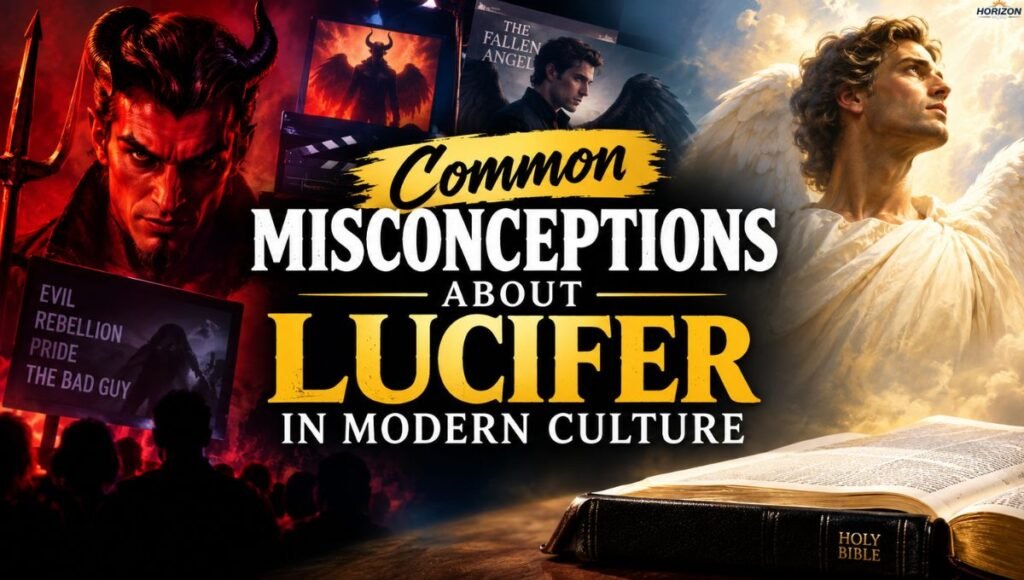
- Lucifer is a red devil with horns. Nothing in the text says this.
- Hell is his kingdom. Scripture presents hell as a place of judgment, not his throne.
- He is God’s equal opposite. The Bible presents him as a created being.
- “Lucifer” is his proper name in Scripture. It is a Latin word, not a Hebrew name.
Lucifer in the Bible vs. Popular Cultural Depictions
Films and games often present him as a charming rebel or a lord of the underworld. The biblical picture is different: a created being who fell through pride and remains under God’s authority.
Lucifer’s Rebellion and God’s Sovereign Judgment
In Luke 10:18, Jesus says he saw Satan fall “like lightning.” Rebellion never puts God’s rule in question. Judgment follows, and the outcome is already settled in Scripture.
What the Bible Teaches About Spiritual Warfare and Evil
Scripture treats evil as real but limited. Ephesians 6:12 describes a struggle against spiritual forces, and James 4:7 says to resist the devil and he will flee. Believers are told to stay alert (1 Peter 5:8) without fearing him as an equal of God.
What Scripture Actually Reveals About Lucifer
Taken together, the texts reveal a created, gifted being who fell through pride. They do not give a full biography, and careful readers should not fill the silence with speculation.
The Hebrew Original: Helel and Its True Meaning
The Hebrew word in Isaiah 14:12 is Helel ben Shachar, roughly “shining one, son of the dawn.” It is a title within a poem, not a personal name.
Jerome’s Latin Vulgate and the Birth of ‘Lucifer’
Around the year 400, Jerome translated Helel into Latin as lucifer, meaning “light-bringer.” Later readers took that common noun for a proper name, and English Bibles such as the King James Version carried it forward.
Critical Distinction Between Lucifer and Satan in Scripture Biblically Accurate
“Satan” is a Hebrew word meaning “adversary” and appears in Job, Zechariah 3, and the New Testament. “Lucifer” appears only in Isaiah 14:12, so the Bible never uses the two names side by side.
Biblical Evidence Supporting Their Distinction
- Isaiah 14 names its target as the “king of Babylon” (verse 4).
- The chapter never mentions Satan, and the New Testament never quotes it as a description of him.
- Ezekiel 28 addresses the king of Tyre in a similar way.
Some readers see a dual meaning in these texts, but the identification is an interpretation, not a stated fact.
How Christian Tradition Merged These Figures
Church Fathers such as Origen and Tertullian connected Isaiah 14 with Luke 10:18 and Revelation 12. Over centuries the two names fused into one story: the fallen angel Lucifer, also called Satan.
Protestant Reformers’ Rejection of the Equation
Martin Luther and John Calvin both read Isaiah 14 as a prophecy about the king of Babylon. Calvin called the Satan reading a misreading of the passage.
Why This Theological Distinction Matters Today
Careful reading protects doctrine from folklore. It also keeps Christians honest about which claims about Satan rest on clear texts and which rest on tradition.
The Narrative of the Fallen Angel in Scripture
The story is assembled from scattered passages rather than told in one place. Isaiah and Ezekiel supply the imagery, Luke supplies Jesus’ words, and Revelation supplies the war in heaven.
Lucifer’s Five ‘I Will’ Declarations of Pride
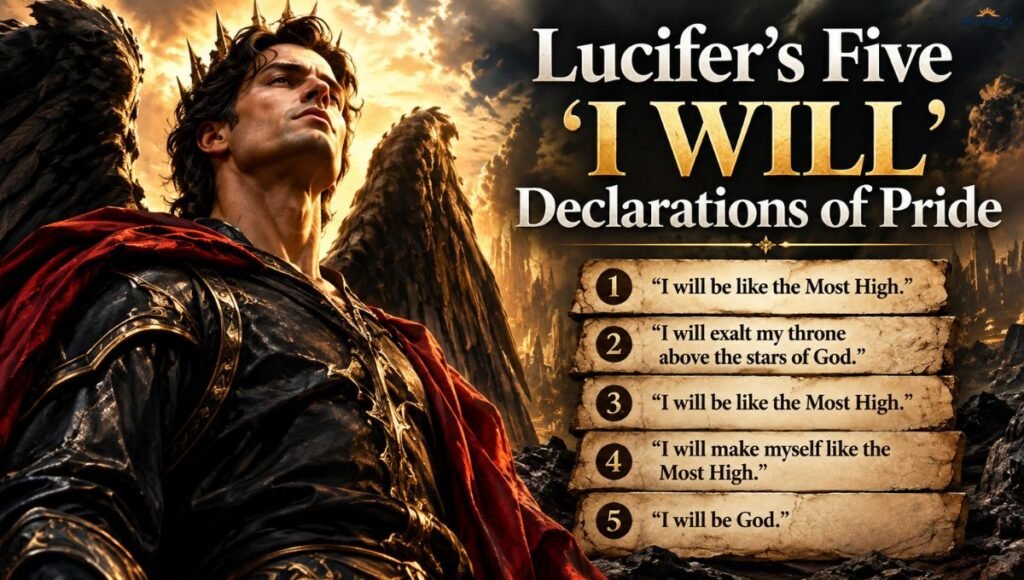
Isaiah 14:13 14 lists five ambitions:
- “I will ascend to heaven.”
- “I will raise my throne above the stars of God.”
- “I will sit on the mount of the assembly.”
- “I will ascend above the clouds.”
- “I will make myself the most High.”
Each one climbs higher than the last, and the passage ends with the fall.
The Nature of Sin: Pride in God-Given Perfection Biblically Accurate
Ezekiel 28:15 calls this being “blameless” until wickedness was found in him, and verse 17 says his heart grew proud because of his beauty. The sin was not lack but excess: treating a gift as though it were self-made.
Catastrophic Consequences of Angelic Rebellion
Rebellion led to expulsion from God’s presence (Ezekiel 28:16). The Bible also portrays lasting ruin: a defeated adversary who opposes God’s people until his final judgment (Revelation 20:10).
The Scope of Rebellion: One-Third of Angels Biblically Accurate
Revelation 12:4 says the dragon’s tail swept a third of the stars from heaven. Many interpreters read the “stars” as angels who followed the rebellion. The text does not give a precise headcount or timeline.
Artistic Evolution of Lucifer’s Image Throughout History Biblically Accurate
Nothing about his image was fixed in the Bible, so artists reinvented him with each era. The pattern runs from angelic beauty to monstrous horror to tragic hero.
Early Medieval Period: The Ethereal Blue Angel
Early Christian art sometimes showed the devil as a dark or blue-tinged angel, as in sixth century mosaics at Ravenna. He still looked like an angel, only a fallen one.
High Medieval Transformation to Grotesque Forms
By the later Middle Ages, church walls and manuscripts showed horned, hairy, beast-like devils. Dante’s Inferno placed a monstrous, frozen Satan at the center of hell, and this became the standard fear-image.
Renaissance Romanticization: Milton’s Tragic Rebel Biblically Accurate
John Milton’s Paradise Lost (1667) gave Satan speeches, pride, and a proud sense of tragic grandeur. Many modern portrayals of Lucifer as a charismatic rebel descend from Milton, not from the Bible.
Contrasts Between Artistic and Biblical Portrayals
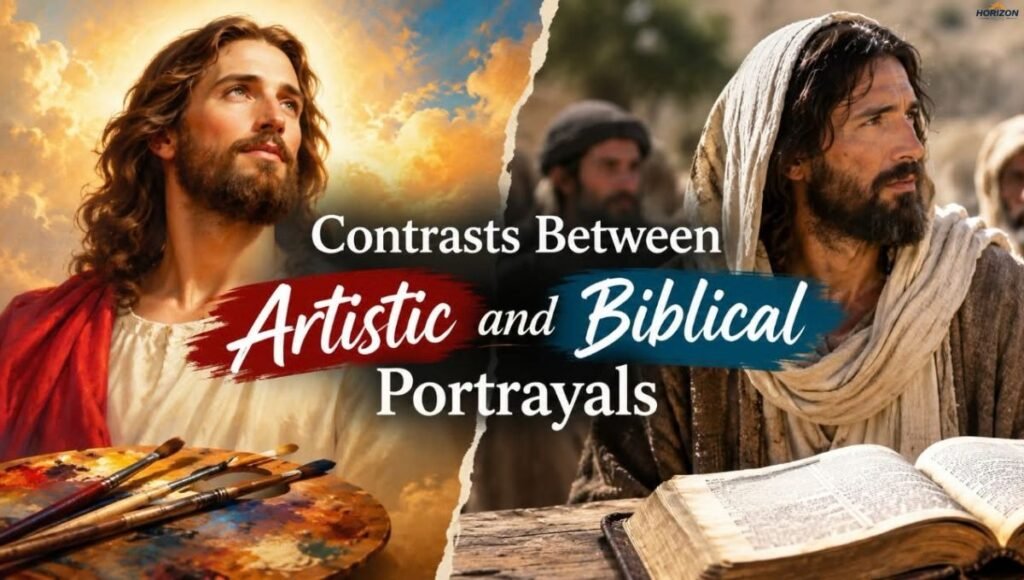
Art asks how the devil should look. Scripture cares more about what he does: deceive, accuse, and oppose. The Bible’s Lucifer is defined by pride and fall, not by a costume.
Theological Insights from a Biblically Accurate Lucifer
The story points to a hard truth: evil did not begin as an equal power to God. It began as a good creation’s misuse of freedom.
The Origin of Evil Within a Perfect Being Biblically Accurate
Scripture does not fully explain why a blameless being chose rebellion. It only says pride entered a heart that had been made good (Ezekiel 28:15, 17).
Lessons for Humanity Humility and Dependence on God

Proverbs 16:18 warns that pride goes before destruction. If a being of such rank fell through self-exaltation, humans have reason for humility and dependence on God.
Frequently Asked Questions About Biblically Accurate
Is Lucifer mentioned in the Bible?
Only once, in Isaiah 14:12 of Latin and older English translations. Most modern versions render it “morning star” or “shining one.”
Are Lucifer and Satan the same being in the Bible?
The Bible never says so directly. Christian tradition joined them by connecting Isaiah 14 with Luke 10:18 and Revelation 12.
What does “Lucifer” mean?
It is Latin for “light-bringer.” It translates the Hebrew Helel, “shining one.”
Did Lucifer have horns and wings in Scripture?
No. Horns and bat wings come from medieval art, not the Bible.
What were the five “I will” statements?
They are the five proud claims in Isaiah 14:13 & 14, ending with “I will make myself like the Most High.”
Did one-third of the angels fall?
Revelation 12:4 is commonly read that way, since the dragon sweeps away a third of the stars. The verse is symbolic and gives no exact details.
Conclusion
Biblically Accurate
A biblically accurate Lucifer is not the red horned figure of pop culture. The word comes from Jerome’s Latin rendering of a Hebrew title in Isaiah 14, and Scripture never gives a full portrait.
What the Bible does stress is pride: a good creature who tried to rise above God and fell. The lasting takeaway is humility, since anything given by God is best held with gratitude.

Ghulam Mustafa | Founder of HorizonWord.com
Christian author and Bible content researcher with 7+ years of experience. Creating biblical name meanings, Scripture-based insights, Bible verses, and faith-filled prayers to help readers grow in faith and connect with God’s Word.










1 thought on “Biblically Accurate Lucifer Truth, Story & Myths Explained”